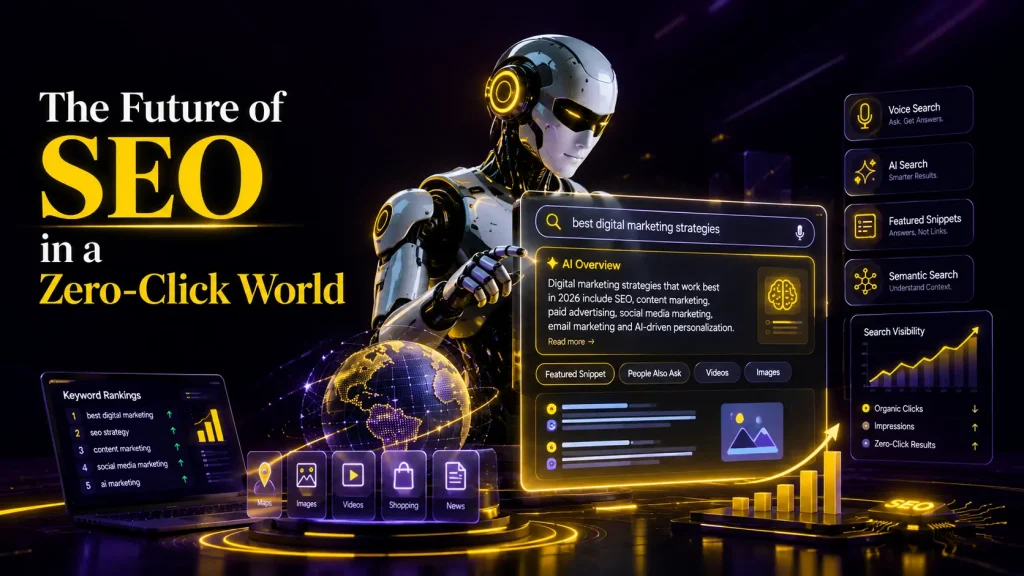
The Future of SEO in a Zero-Click World
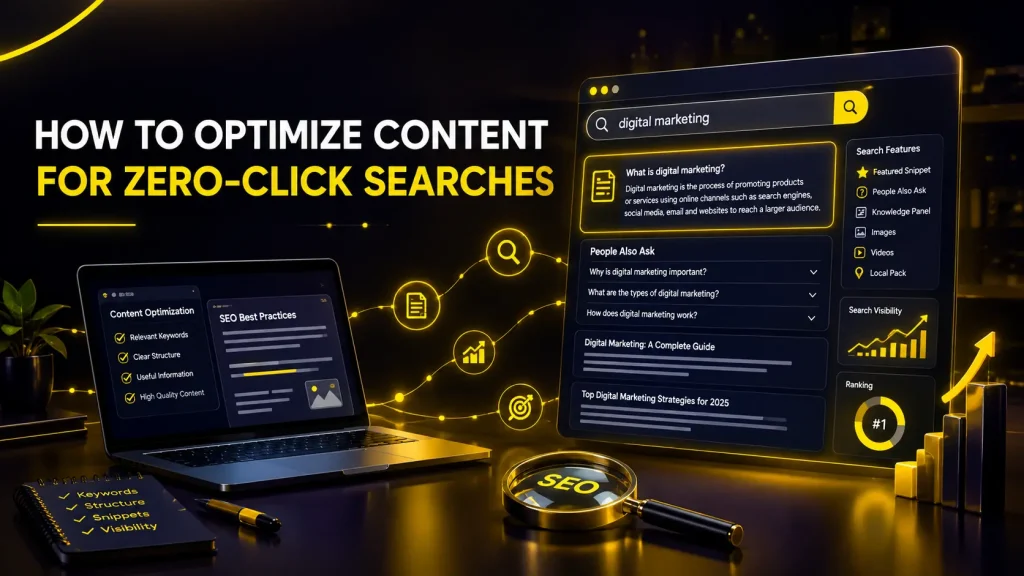
Introduction: SEO Is Moving Beyond Website Clicks Search engine optimization is changing. For years the main aim of SEO was clear: come up higher on Google get clicks and send people to your website.. How people search is getting more complicated. Now people can get answers in the search results through AI Overviews, featured snippets, knowledge panels, People Also Ask, local results and other search features. This leads to what marketers call a zero-click search—a search where the user finds the information they want without going to a website. The rise of AI-driven search is making this change more significant. New studies and industry reports show that AI search experiences can lower clicks but make it more important to be seen and mentioned in search results. This does not mean SEO is gone. Instead SEO is growing beyond just bringing traffic to being visible building authority creating brand recognition and having influence. So what will the future of SEO look like? And how can businesses prepare? The Rise of Zero-Click Search Zero-click search happens when people find the answer they need directly on the search results page. They don’t have to click on any website. For example : if someone asks “What is SEO?” they might see an explanation in a featured snippet or, from an AI answer. Also when people look for businesses, places, meanings, math problems or simple questions the search engine often provides the answer there on the page. Search features responsible for zero-click experiences include: AI Overviews Featured snippets Knowledge panels People Also Ask Local packs Maps Product results Direct answers The important change is that ranking alone is no longer the SEO goal. A business may rank well. Still receive fewer clicks if the search engine answers the query before the user visits the website. Therefore businesses need to optimize not for rankings but also for visibility, within search features. Strategy: Create content that gives answers to clear questions. Use headings that describe the topic, short explanations, bullet points, tables asked questions sections and organized information to help search engines read and understand your content better. AI Overviews Are Changing the Search Experience One of the changes in SEO is how AI is being built directly into search. Now AI‑powered search can pull together information, from websites. AI‑powered search gives users a clear easy‑to‑understand answer in a style. This means people might not have to open pages or compare results themselves anymore. A study published in 2026 showed that when AI gives answers people click less on search results. That’s important for marketers because it means getting rankings, on traditional search isn’t enough anymore.For businesses the real chance is to become a source that AI systems can recognize, trust and even mention. If AI sees your content as reliable it may choose to use it. To do this focus on content that shows: – expertise – Original insights – Clear explanations – Accurate information – Deep coverage of topics – Trusted sources -Managing brand constancyI think it is not enough to write content that only fits keywords. The best content truly answers the questions audience has. Make sure it helps people, not searches. Search Intent and Topical Authority Will Become More Important Traditional SEO used to be about targeting single keywords.. Now it’s more important to understand why people are searching. Search intent is about the goal behind a search query. For example someone who searches “SEO” might just want to know what it means.. Someone who searches “SEO agency near me” is likely looking to hire a service. There are four types of search intent: Informational – The user wants to learn or find information. Navigational – The user wants to go to a website or brand. Commercial – The user is comparing products or services before making a decision. Transactional – The user is ready to buy or take action. Of writing random articles around isolated keywords businesses should focus on content that matches each stage of the customer journey. The strategy? Build topic clusters. Start with a topic. Then create content that explores related questions breaks down subtopics includes step-by-step guides compares different options and answers frequently asked questions. Link these pages together using links. This method helps build authority on your site and shows search engines that your website’s a trusted source, in the subject area. From SEO to AI Search Optimization The future of SEO will blend more and more with AI search optimization and Generative Engine Optimization or GEO. This does not mean leaving behind SEO. The real goal is for businesses to mix SEO with new strategies that work well in AI-powered search environments Content should be: Easy to understandFactually accurateWell organizedDirect and usefulSupported by evidence where appropriateWritten around real user questionsRich in unique insights and examples AI systems need information they can understand and use. Clear content structure therefore becomes increasingly important. Strategy: Create direct-answer sections within your content. For example after a heading such, as “What Is Zero-Click SEO?” provide a definition before expanding into deeper details. This structure helps both human readers and search systems quickly understand the point. Brand Authority Will Matter More Than Ever In a world where people don’t click all doing well with SEO is not just about getting someone to come to your website. It is also about making sure your brand is seen and kept in mind. A person might see your brand in an answer created by an AI in a featured snippet in a result on a social media profile or in a search result, without clicking right away. That kind of visibility can still help people remember your brand. This means businesses should build authority across multiple digital channels, including: Website contentSocial mediaBusiness profilesIndustry publicationsReviewsOnline communitiesExpert contributionsDigital PROriginal research Create content that springs from experience and deep knowledge not just copying facts that already exist online. Strategy: I believe that creating content from experience and expertise is better, than rewriting what already exists online. Measuring