Freelance Opportunities
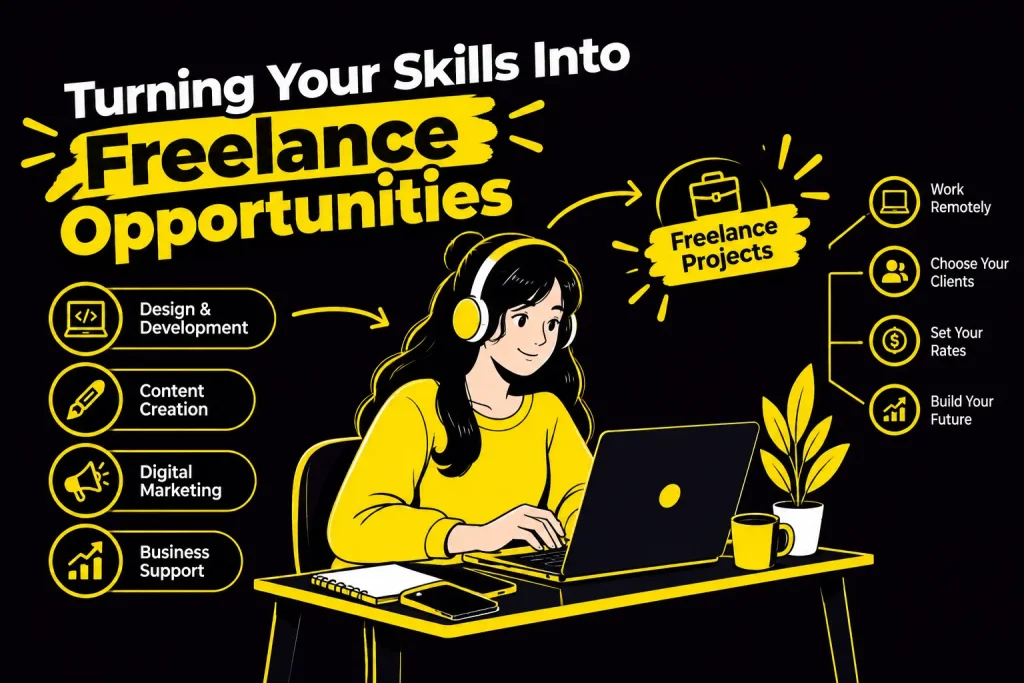
A graphic design student once messaged fifteen small local businesses offering a single free logo redesign, just to build a portfolio. Fourteen never replied. The fifteenth, a small pet grooming shop, said yes — and that one modest, unpaid project eventually led to three paying referrals within two months. Freelancing rarely starts with a big break. It usually starts with one small, unglamorous yes. We just looked at how to begin a marketing career, with no experience. Freelancing is often the way to go from learning skills to doing real paid work. It’s a step that helps you get your foot in the door.
Understanding the Concept of Freelancing
You build your business. You do not work for one company time. You take on projects as they come. Each project is different. You decide what to work on and when to work on it.
You also find your clients. You talk to them directly. You say how much you want to be paid. You are in charge of your schedule. You decide how many hours to work and when to stop.
Freelancing offers something traditional entry-level jobs often don’t: a lower barrier to getting started. Instead of convincing a hiring manager to take a chance on someone with no formal experience, freelancing simply requires convincing one small client to trust you with one small project.
Strategies for Securing Your First Client

Start With People You Already Know
Your first client doesn’t need to come from a stranger online. Friends, family or local businesses that you already know are usually more open to taking a chance on someone who is creating their first portfolio piece.
Offer a Low-Risk First Project
Instead of asking for a big ongoing contract right away try offering a small clearly explained project. Like a single social media audit, one week of content or a basic website check. So a nervous first client can say yes easily.
Be Upfront About Your Experience Level
At the time still show confidence in your skills and the work you are doing. Being truthful doesn’t mean you can’t believe in your abilities.
Use Free or Discounted Work Strategically But
One free or very cheap project can be a good way to start building your first portfolio and get a testimonial.. If you keep charging too little for your work it will be hard to charge fair sustainable prices later.
Ask for a Testimonial, Not Payment
Especially when you are just starting out a real detailed testimonial from a client can be just as important, as the money you get because it helps you in your next pitch.
Best Places to Find Freelance Clients
Do not act like you understand more than you actually do. I think it is better to be truthful. Networks. Friends, family, former colleagues or people within existing communities you are already part of.
Local businesses. Shops, restaurants or service providers who often lack dedicated marketing help. I suggest reaching out to businesses first.
Freelance platforms.Websites that are made to bring freelancers together with clients are helpful once you have a little collection of your work to show. Freelance websites can also be a way to get clients.
Social media outreach is, about engaging with business accounts. Social media outreach means offering thoughtful help instead of generic copy‑pasted pitches. Social media outreach works best when you talk directly to business accounts and show care.Social media outreach, about starting out with the topic while still showing belief in your skills and the work you are doing.
Mistakes That Hold Beginners Back
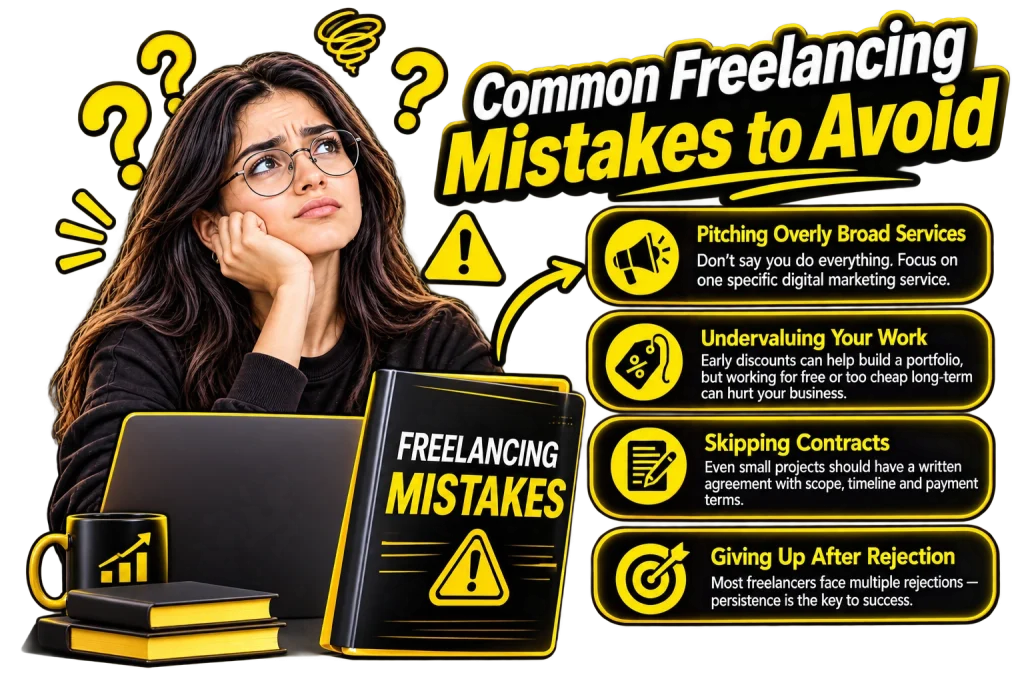
Pitching overly broad services.When you say you do all types of marketing it can feel less credible. Offering one specific digital marketing service is more trustworthy. Undervaluing your work forever is bad. Early discounted work can help build a portfolio. Working for free or, for pay over a long period can make it hard to build a sustainable freelancing career.
I think not having contracts or clear expectations can be risky. I believe even small informal projects should have a written agreement that clearly states the scope the timeline and the payment terms.This helps avoid misunderstandings on. Giving up after early rejection. Most freelancers face several unanswered pitches before landing their first genuine yes — persistence, not perfection, tends to be the real deciding factor.
Why This Path Builds Real, Transferable Skill
Beyond income, freelancing teaches skills that traditional employment often doesn’t force you to develop as quickly Freelancers have to make proposals, pitch their services, and deal with rejection on a regular basis. This develops resilience and sophisticated negotiating abilities that regular employees almost ever use.Freelancers have to get good at billing keeping track of spending figuring out profit margins and handling cash flow. They do this even though their work can be unpredictable, with periods of income followed by low or no income. There’s no HR or payroll team to help them so they must manage all of this on their own.Time equals money. Freelancers learn to focus on what matters. They must juggle projects at once. Missing deadlines or losing income happen away when you procrastinate. You must manage client communication handle self‑management, set pricing, for your value and accept real feedback.
You Can Find All Answers Here
Freelancing is a way of working independently by offering services to clients on a project or contract basis. Beginners can start by choosing a skill, creating a portfolio, finding clients, and completing projects online.
Some popular freelancing skills include content writing, graphic design, web development, video editing, social media management, SEO, and digital marketing. Beginners should choose a skill based on their interests and learning goals.
Beginners can find their first clients through platforms like Fiverr, Upwork, and Freelancer. They can also use LinkedIn, social media, personal networking, and portfolio websites to showcase their work and connect with potential clients.
Freelancing income depends on the skill, experience, project complexity, and client budget. Beginners may start with smaller projects and gradually increase their rates as they gain experience and build a strong portfolio.
Yes, freelancing can be a good career option because it offers flexibility, opportunities to learn new skills, and the ability to work with different clients. However, success requires consistency, communication, time management, and continuous learning.
What's Next
Whether you’re freelancing or working toward your first marketing job, having the right tools genuinely speeds up your ability to deliver quality work. In the next post, we’ll cover the essential free and paid tools every beginner marketer should get comfortable using early on.